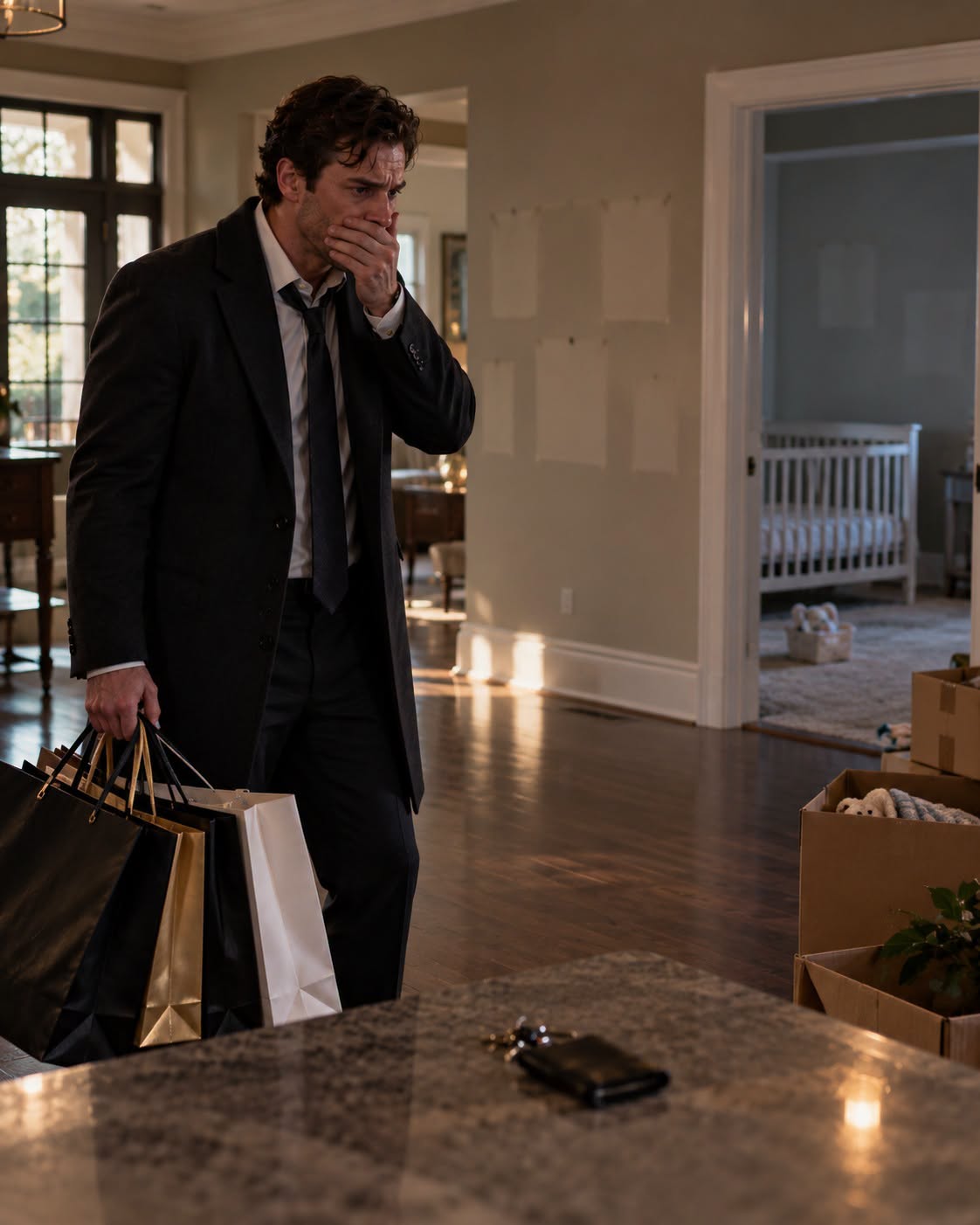
My Mother-In-Law Called My Father To "Come Get His Parasite"—Twenty Minutes Later, Three Moving Trucks Pulled Up And Showed Her Who Really Owned The House
Chapter 6 - The Foundation Rebuilt

One year later.
The summer sun streamed through the expansive glass windows of CARTER & BENNETT PROPERTY HOLDINGS, located on the top floor of a newly restored historic warehouse in downtown Columbus.
I sat behind an antique walnut drafting desk, reviewing the final closing documents for a thirty-unit affordable residential development in the Franklinton district. Beside my signature line was the title: Chief Operating Officer & Majority Shareholder.
Over the past twelve months, I had taken my procurement background, combined it with my father’s extensive supplier network, and restructured our family company into one of the most successful urban redevelopment firms in Central Ohio. We didn't build hollow McMansions for people who lived beyond their means; we built solid, beautifully crafted timber-and-brick homes for families who valued integrity over display.
The brass handle of the office door clicked open.
Dad walked in, wearing his customary flannel shirt with the sleeves rolled up to his forearms, carrying a cardboard tray with two large cups of black coffee from the local roaster down the street.
"Closing on the Franklinton project went through without a hitch," Dad said, setting a coffee down in front of me with a wide, proud grin. "City council approved the zoning variance unanimously this morning."
"That means we break ground next Tuesday," I smiled, leaning back in my leather chair and taking a hot sip. "We’re two weeks ahead of schedule."
"Thanks to your supply contracts," Dad said, tapping the desk. "You're a shark with the numbers, Emmy. Your mother would have been so damn proud to see you running this room."
A gentle knock sounded at the door.
Sarah Jenkins poked her head in, holding a thin manila envelope. "Morning, Robert. Morning, Emily. Sorry to interrupt, but the annual receivership report from the Franklin County Municipal Court just arrived."
I raised an eyebrow. "Jason?"
"Jason," Sarah confirmed, stepping inside and handing me the single-page summary. "His commercial furniture business was formally dissolved in Chapter 7 liquidation three months ago. The debts were too high, and without Carter Supply providing credit guarantees, no commercial vendor in the state would extend him thirty-day terms."
I glanced at the report.
After the eviction, Jason had moved into a cramped two-bedroom rental apartment in an aging complex near the airport, taking Diane and Kelly with him. With his credit ruined and his car gone, he had taken a job as a floor manager at a retail home improvement chain, earning an hourly wage while trying to pay off the remaining business liens.
According to the neighborhood reports, Diane was still complaining to anyone who would listen in the apartment laundry room about how her son had been "robbed of his rightful estate." But nobody listened anymore. In an apartment complex where people worked double shifts to pay rent, an old woman crying about losing a luxury townhouse she had never paid a dime for drew nothing but eye-rolls and slammed doors.
Kelly had moved out six months ago, having married an out-of-state truck driver she had met online, completely cutting off contact with her mother to avoid contributing to the household rent.
Jason had called my office once, eight months ago.
He had spoken to the receptionist, leaving a stuttering, desperate message asking if I would be willing to meet him for coffee just to "talk through closure."
I had listened to the voicemail once. Then I had clicked Delete.
Closure wasn't something someone gave you across a coffee shop table while making excuses for the past. Closure was the cold, unshakeable realization that some people are only in your life to teach you the value of your own boundaries.
"Do you want to keep the file on record?" Sarah asked, gesturing toward the municipal report.
I smiled, picked up the paper, and fed it directly into the cross-cut shredder beside my desk. The machine hummed for three seconds, turning the last trace of the Reed family into tiny, meaningless confetti.
"No need, Sarah," I said smoothly. "That ledger has been balanced."
Later that evening, after the office had emptied and the city below had begun to sparkle with twilight, I drove out to Meadowview Commons.
The townhouse on Lot 412 looked completely different now.
Over the winter, Dad and I had completely renovated the property, stripping away the tacky floral wallpaper and faux-marble finishes Diane had installed. We had installed massive picture windows, polished the original white oak floors to a brilliant, honey-colored luster, and landscaped the front yard with native stone and blooming perennial gardens.
A young couple—a pediatric nurse and a high school history teacher with a toddler playing on the front porch—now lived there. They rented the home through our affordable workforce housing trust, paying a fair, reasonable rate that allowed them to save for their own future.
I sat in my car at the curb for a moment, watching the little girl laugh as her father spun her around on the lawn, right where Jason had once sat crying in his socks.
The house was no longer a monument to pride, deceit, and parasitic vanity. It was a home again—built on an honest foundation, preserved by truth, and filled with the sound of real, lasting joy.
I shifted my car into drive, stepped on the accelerator, and drove off into the warm summer evening, leaving the past exactly where it belonged: in the rearview mirror, shrinking into the distance until it was gone.